You know when you download an app without even remembering how you found it? Well, a lot of people are going through that. It seems like we're discovering new apps all the time, and not always from the official app store. Let's take a look at how these newly discovered apps reach us and what makes us keep using them.
Key Points
- We find apps everywhere, not just in app stores. A quick Google search can lead you to an app you didn't even know existed, especially if it's something for travel or technology.
- Operating systems, such as iOS, are full of hidden features that improve privacy and security, such as app locking and a new password app.
- There are scams out there using apps. Criminals create bots to simulate real usage and inflate downloads, but app stores are fighting against this.
- It's easy to download an app and then forget about it. For it to become useful, the app needs to demonstrate its value in everyday life, otherwise we uninstall it.
- For an app to stand out, it needs more than just being in the store. Well-crafted install campaigns and ads that lead directly to what you're looking for help a lot.
Discover apps that are being discovered in unexpected ways.
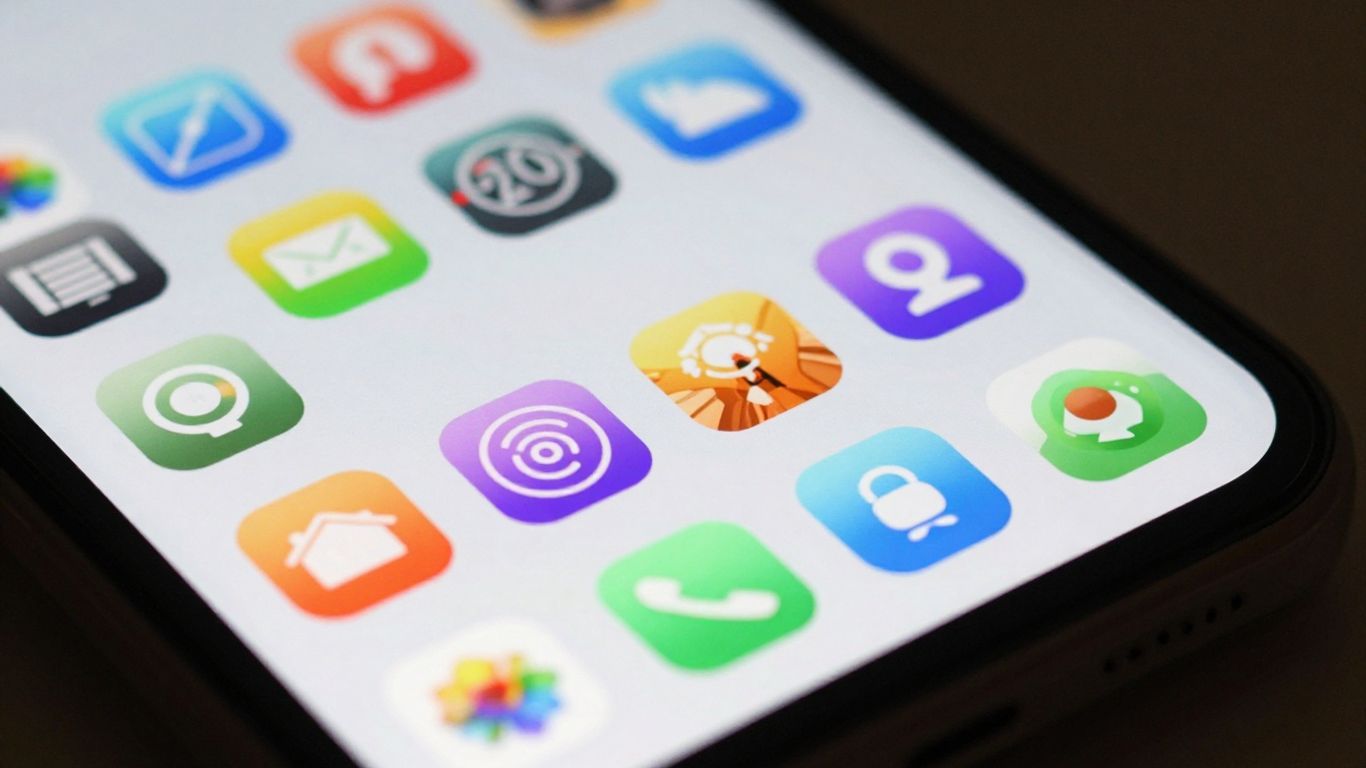
You know when you're just browsing on your phone and suddenly stumble upon an app that seems tailor-made for you? Well, that discovery doesn't always happen in the app store. Many people end up finding hidden gems while browsing the internet, watching videos, or even using other apps. It's a whole new world opening up, and we're going to show you how it happens and which apps are catching everyone's attention right now.
Online search as a gateway to new apps
Many people think that the only way to find a new app is by browsing the app store, right? But the truth is that the internet is a goldmine for that. You're looking for something specific, like a place to eat in a new neighborhood, and BAM! An app appears suggesting the best places. That's where the magic happens: necessity leads to discovery. This search for quick and efficient solutions makes search engines true gateways to new applications.
- HotelsCombined: You know those last-minute trips? This app helps you find hotels with incredible prices, comparing several options at once. It became popular because it appeared prominently in accommodation searches, making life easier for frequent travelers.
- Waze: Who hasn't used Waze to avoid traffic? It's a great example of how an app can become essential. People discover it when they need a faster route and end up downloading it to use all the time.
- Google Maps: It seems obvious, but many people discover new features or even the app itself when searching for an address or a point of interest. It's the king of discovery by necessity.
We tend to download apps when they solve a problem instantly. If an app makes life easier, the chances of it staying on your phone are huge.
How search engines drive downloads
Search engine ads are a goldmine for anyone who wants their app to be downloaded. Think about it: you're looking for something, and an ad pops up right at the perfect time. You're much more likely to click and download it, right? It's as if the app is telling you: "Hey, I have what you need!" This strategy of appearing when the user is actively searching for something is super effective. That's why many companies invest heavily in it, so they don't get lost among the millions of apps available.
The importance of being found anywhere.
It's no use having the best app in the world if nobody can find it. That's why it's crucial that it's visible in many places, not just the app store. Think about ads that appear in videos, on other websites, or even in social media posts. The more places your app appears, the greater the chance that someone will be interested and click to download it. It's about being present where your audience is, making discovery and, of course, downloads easier. If your app solves a problem, such as... Prevent Chrome from opening unwanted tabs., He has everything it takes to excel.
Hidden features in the systems you already use.
Sometimes we download a bunch of apps and don't even realize that our phones already come with some super useful tools we didn't even know existed. It's like finding money in the pocket of pants you haven't worn in ages! iOS, for example, has some things that can really help with your digital life, especially if you're concerned about security and privacy. Let's take a look at some of these hidden gems.
Privacy features that transform your iPhone.
Do you know that app you don't want anyone to see? With the latest iOS updates, you can fix that. Now you can lock specific apps with Face ID, Touch ID, or even your phone's password. This means no one will be able to snoop on your conversations or photos without your permission. And if you want to get rid of an app altogether, you can hide it in a secret folder in your library. Only you know where to look!
Another great feature is the protection against cell phone theft. If someone tries to access your important information, like your Apple ID password, while your phone is away from home or work, it will require facial or fingerprint recognition. This makes life much more difficult for someone who steals your device.
Security tools you may not know about
Speaking of security, iOS is also smarter at saving you from annoying calls. It has a filter that analyzes who's calling, even if you don't have their number saved. It shows the name and reason for the call instantly, without needing to send your data anywhere. It's a relief not having to answer that unknown number and be left wondering.
We think we know everything about our cell phones, but there's always a new function to discover that can make everyday life easier and more secure.
The new password app and how it works.
And to top it all off, there's the new Passwords app. It's like a digital vault for all your credentials. It stores passwords for websites, Wi-Fi, and even two-factor authentication codes. The best part is that it helps you create strong passwords and remembers everything for you. No more using the same password for everything or writing them down on scraps of paper!
- App Blocking: Protect individual apps with biometrics or a password.
- Hidden Apps: Move apps to a secret folder in the App Library.
- Theft Protection: Additional security features when the iPhone is outside of known locations.
- Call Filter: Identifies calls from unknown numbers in real time.
- Password App: It manages and suggests strong passwords, as well as authentication codes.
The dark side of app discovery
Not everything is rosy in the world of apps. While we explore new features and discover incredible tools, there's a less bright side, full of traps and schemes that can catch us by surprise. It's important to stay alert to avoid falling into traps.
Fraud schemes and how they work
You know those apps that promise the world but end up giving you headaches? Many of them are part of fraud schemes. A shocking example was a case where criminals bought hundreds of existing apps on the Play Store. They modified the apps, changed the developers' data, and used bots to simulate the behavior of real users. The goal? To generate revenue with fake ads, deceiving both advertisers and Google. This scheme managed to make millions of dollars.
The role of bots in manipulating downloads.
Bots are computer programs that simulate human activities. In the world of apps, they are used to artificially inflate the number of downloads and ratings. This makes an app seem more popular and trustworthy than it actually is. These bots create a false sense of success, deceiving both users and distribution platforms. They are a key tool in many fraudulent schemes, as they create a facade of popularity.
How app stores combat fraudulent apps.
App stores, such as the Google Play Store and the App Store, are constantly working to identify and remove apps that violate their policies. They use automated systems and review teams to detect suspicious activity, such as the use of bots, misleading content, or fraudulent practices. When an app is identified as fraudulent, it is removed from the store, and the responsible developers may have their accounts banned. It's a constant battle, but essential to maintaining user safety and trust.
Maintaining interest in the apps you download.
You know when you download an app thinking you'll use it forever, but after a while it just sits there, forgotten on your phone screen? It happens to everyone! We download a lot of things, but not everything becomes part of our daily lives. The secret is to make the app show that it's really worth it, and not just the first time you use it.
Why do users abandon apps?
Many people download an app because they need it to do something specific, like buying a ticket or finding a hotel quickly. The problem is that, after the task is completed, the app can be uninstalled soon after. It's like using a tool just for a repair and then putting it away in a drawer. If the app is no longer useful, it just becomes another icon taking up space.
How to prove the value and usefulness of your app.
For an app to not be forgotten, it needs to have a clear purpose and continue helping the user. Think of apps that truly make your life easier. For example, a supermarket app that helps you find deals while you're in the store, or a travel app that gives you useful tips even after you've booked your flight. The app needs to prove indispensable for everyday life or for specific moments.
- Make tasks easier: Solve a real user problem in a simple way.
- Offer something new: Bring new features or content that will make the user want to come back.
- Create a habit: Integrate the app into your routines, such as checking the weather or planning meals.
Incentives to re-engage users
Sometimes, a little nudge is all a user needs to start using an app again. Discounts, exclusive content, or even helpful reminders can make all the difference. If you used a shopping app to get a specific item, maybe a discount coupon for your next purchase will make you open the app again. It's a way of saying, "Hey, I'm still here and I have something good for you!""
The key is to demonstrate consistent value. If the app solves a problem, provides entertainment, or makes a task easier in a consistent way, the chances of it becoming a loyal companion on your phone increase significantly.
Apps that become essential in everyday life.
You know those apps that, suddenly, you can't live without? The ones that save you in unexpected moments or simply make your routine easier? Well, they exist and they're everywhere. We use them so much that we don't even realize how much they've become part of our daily lives, from the moment we wake up until the moment we go to sleep.
The role of apps in daily micro-moments.
Think about it: how many times a day do you pick up your phone to quickly resolve something? Maybe to check the weather forecast before leaving, check the traffic on your way to work, or even to jot down that brilliant idea that popped into your head. These are what we call "micro-moments," and apps are king. They're there, ready to help us in any situation, whether it's to "know," "go," "buy," or "do" something.
Building deep relationships with consumers
For brands, having an app is like having a direct channel to the customer. It's a way to create a stronger bond, you know? An app can complement the in-store experience, offer exclusive promotions, or simply keep the brand top-of-mind for the consumer. It's a two-way street: the user gains convenience and the brand gains a more loyal customer.
What makes people install and use an app?
But what makes an app really stick with us? It's not just about downloading and forgetting about it. We use an app frequently when it solves a real problem or makes life easier. If an app helps you save money, organize your tasks, or discover something new in a simple way, the chance of you continuing to use it is enormous.
Let's look at some examples of apps that have become indispensable:
- Todoist: If you're constantly missing deadlines or forgetting tasks, Todoist is your new best friend. It helps you organize everything from grocery shopping to complex work projects. You can create lists, set priorities, and receive reminders. It's like having a personal secretary in your pocket.
- Google Maps: It's impossible to talk about essential apps without mentioning Maps. Whether it's to avoid traffic, find a new place in the city, or plan a trip, it's always there. The public transport function and walking navigation are also super useful.
- Spotify: Who doesn't use Spotify to listen to music or podcasts? It not only gives you access to millions of genres, but it also learns your tastes and suggests new discoveries. It's the perfect companion for any time of day.
- Waze: For drivers, Waze is a lifesaver. It alerts you to accidents, speed cameras, and traffic in real time, helping you reach your destination faster and with less stress. The community of drivers contributes valuable information.
- Splitwise: Splitting bills with friends can be a hassle, right? Splitwise makes it much easier. You record who paid what and to whom, and in the end, it tells you who owes whom. Goodbye, complicated spreadsheets and confusing accounts!
Strategies to make your app stand out from the crowd
With millions of apps available, making yours stand out is quite a challenge. It's not enough to just launch the app; you need to think about how people will find it and, more importantly, keep using it.
Increasing visibility with installation campaigns
One of the most direct ways to get your app seen is through install-focused campaigns. Think of it as putting your app in the right shop window, for the right people. These campaigns help reach an audience that is already looking for something similar to what you offer. It's as if your app appears right when someone needs it.
Advertisements that generate downloads in different formats.
Don't limit yourself to just one place. Video ads, display ads, and of course, search engine ads, can work wonders. When someone searches for something related to your app, seeing it there, at that exact moment, greatly increases the chance of a download. It's the difference between being found by chance and being discovered when you're actively searching.
The importance of direct links in ads.
Imagine someone is looking for running shoes. An ad that leads directly to the women's running shoe section in your sports app is much more effective than a generic link to the homepage. These direct links save time and show that you understand exactly what the user wants. This makes all the difference for those who are in a hurry or have a specific goal in mind.
The key is to demonstrate the value of your app right away. If the user doesn't see a clear reason to continue using it after installation, the chances of them abandoning the app are high. Think about how your app can solve a problem or make people's daily lives easier.
Spotify is betting on new ways to connect.
You know when you're listening to music and you think, "Wow, so-and-so would love this"? Spotify is aware of that and is pulling strings to help us connect more through music. They want the app to be more than just a place to listen to music, but a space where we share and discover things together.
Sharing what you hear in real time.
Imagine this: you're listening to that perfect workout playlist and your friends can see what you're listening to in real time. Spotify is bringing this feature into the app, directly into conversations. This makes it easier to send messages like "listen to this one, it's totally your style!" without leaving the app. It's a really cool way to keep everyone connected, even from a distance. This new feature is already available to everyone, both those using the free plan and those who are Premium.
Spotify becoming a social network
Let's be clear: Spotify wants to be more than just a music player. They're investing heavily to transform the app into a kind of musical social network. The idea is that we not only listen, but also interact, comment, and share what's happening in the world of music and podcasts. This more social approach can give a new boost to discovering artists and content we never even imagined existed. It's a way to escape the algorithms a bit and enjoy what our friends are enjoying.
The collective discovery of music.
Enough of staying stuck in your musical bubble! Spotify is encouraging collective discovery. By seeing what your friends are listening to, you open up a range of new possibilities. Who knows, you might discover your new favorite band because a friend shared it? This exchange of musical experiences can be much richer and more surprising than just following automatic suggestions. It's like having a personal DJ friend, but with thousands of friends to give you tips. If you want to see what your contacts are listening to, you can take a look at the... app messages to check this function.
So, did you like the tips?
Well, that's it. We've seen that there's a lot of cool stuff popping up out there, both in app stores and elsewhere. The important thing is to keep an eye out and test what seems interesting. Sometimes, an app you never even imagined can become your new favorite. So, let's explore and discover more technological gems!
Frequently Asked Questions
Where do people most often discover new apps?
Many people still think we only find apps in our phone's app store, right? But the truth is, we discover apps everywhere! Some people download apps after seeing an ad, others discover them by searching on Google or even watching a video on YouTube. The app store is still important, but it's not the only gateway!
Why does my phone have features I didn't even know existed?
Cell phones are constantly getting new features, especially in security and privacy. Sometimes, these functions are so subtle that we don't even notice them. It's like finding a hidden treasure! For example, your iPhone might have a way to block specific apps or warn you about phone scams, and you didn't even know it.
Are there scams involving apps? How do they work?
Yes, unfortunately they exist! Criminals create apps that look normal, sometimes even copying existing apps, and use programs called 'bots' to pretend that many people are using them. This deceives app stores, making it seem like the app is popular. In the end, they make money from fake ads. It's a digital scam!
Why do I uninstall an app right after downloading it?
It happens a lot! We download an app because we need to do something specific, like buy a ticket or find a hotel. As soon as the task is done, we forget about it. If the app doesn't prove to be truly useful in our daily lives, or doesn't give us a good reason to keep using it (like a discount!), we end up deleting it.
How do apps become essential in my life?
Apps become essential when they make our lives easier in the small moments of the day. Imagine waking up and immediately seeing the weather forecast, or using an app to get to work without traffic. When an app solves a problem quickly or helps you do something more simply, it starts to become part of your routine. It's like having a helper always at hand!
What do brands do to get me to download their app?
Brands use various tactics! They create eye-catching ads, especially those that lead you directly to download the app. They also invest in appearing when you're searching for something similar on Google. The idea is to be there, right when you need it, showing that the app can help you in some way.